
672
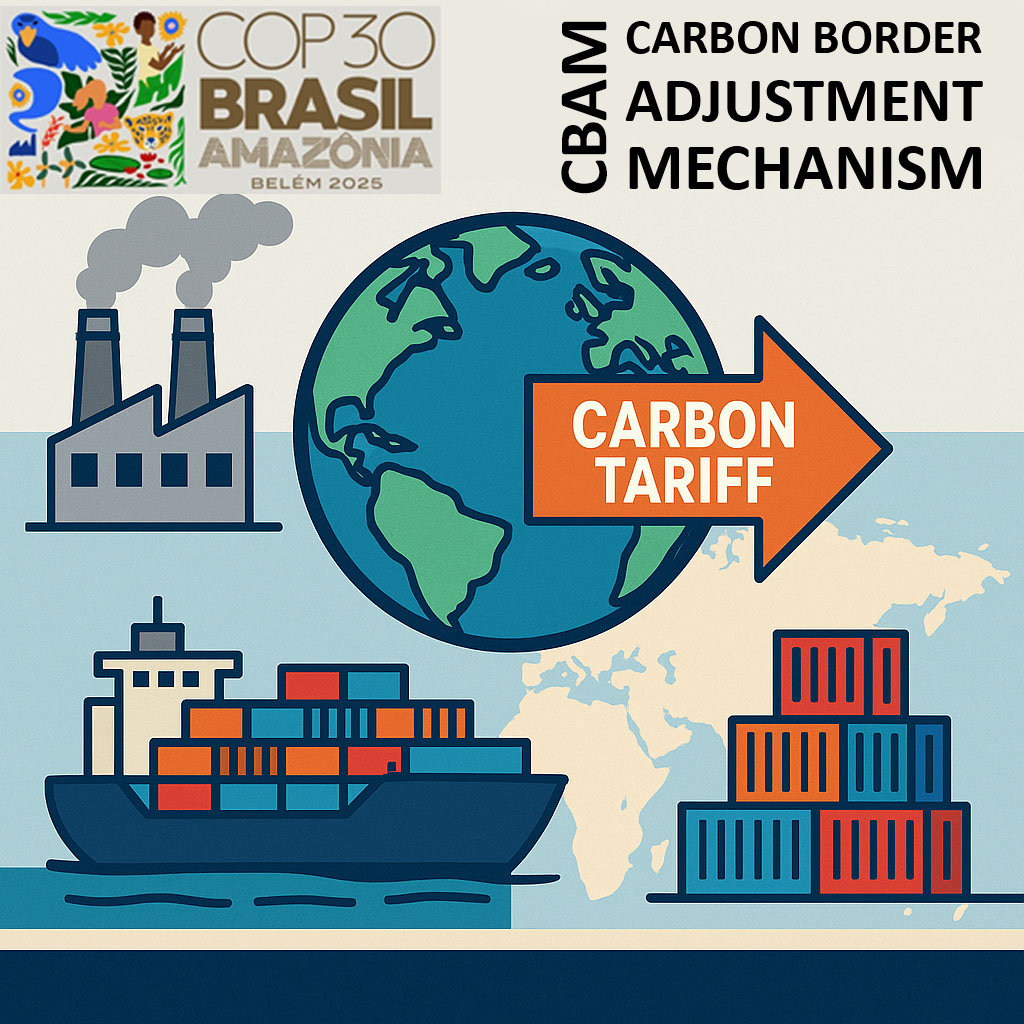
The EU’s Carbon Border Adjustment Mechanism (CBAM) is less of a neutral climate measure than a strategic trade instrument. By pricing carbon at the border without guaranteeing access to green technology and finance, it risks locking in inequality between industrialised and developing economies. This is confirmed by:
- CBAM applies a carbon price on imports from energy‑intensive sectors in countries with weaker climate policies, framed as preventing “carbon leakage” and protecting EU industry.
- China, India and others describe it as a “unilateral trade barrier” and see it as the weaponisation of climate policy, echoing earlier tariff wars.
- Many developing and Arab countries stress that they are penalised despite lacking access to affordable clean technologies, and Arab states have set up a working group to study CBAM’s impacts and coordinate responses.
To avoid CBAM becoming a de facto green trade wall, the EU and partners must pair it with concrete technology transfer, concessional finance, and capacity‑building for affected exporters. A fair CBAM regime would phase in obligations, reward verifiable decarbonisation efforts, and be co‑designed with developing countries so that climate ambition strengthens – rather than stratifies – the emerging green economy.