
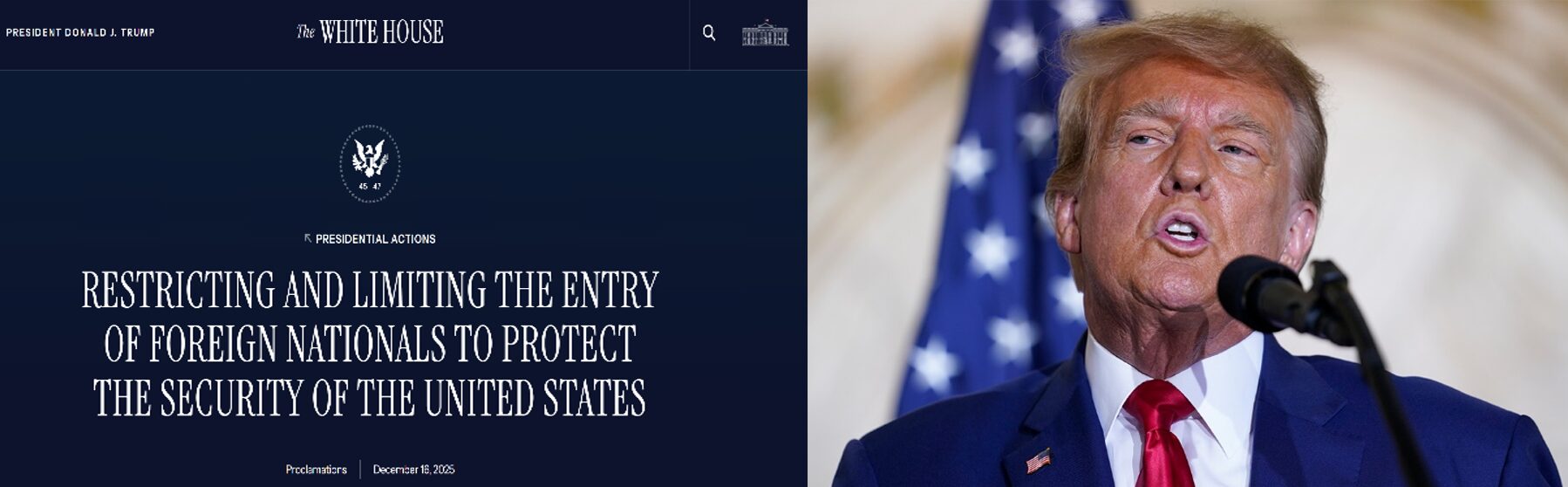
The decision by the United States to withdraw from 66 international organizations, including 31 UN entities, presents significant challenges for Europe and the Arab region (The White House, 2025). Reported by The Washington Post on January 7, 2026, the decision is framed as a measure to protect U.S. sovereignty and redirect resources toward national priorities. While this reflects a domestic policy shift, it has direct implications for international and regional climate, environmental, and development initiatives that have historically relied on U.S. funding, technical expertise, and leadership. This is supported by the following evidence:
- Funding shortfalls for climate and environmental programs:
The United States has been a major contributor to UN agencies and multilateral funds supporting climate adaptation and mitigation, renewable energy, biodiversity conservation, water resource management, and sustainable agriculture. Its withdrawal from multiple international entities is expected to create immediate financing gaps, particularly affecting climate-vulnerable countries in the Arab region and parts of Europe that depend on international climate finance and technical assistance (The White House, 2025; World Bank, 2022; UNFCCC, 2023). - Delays and reduced reach of humanitarian and development interventions:
Past reductions in U.S. funding to international organizations have resulted in project delays, scaled-down operations, and reduced geographic coverage. As a result, humanitarian and development programs addressing food security, water scarcity, livelihoods, and resilience in vulnerable contexts across the Arab region and neighboring European areas are likely to face implementation constraints and diminished impact (Reuters, 2025; Amnesty International, 2026). - Weakened multilateral coordination on transboundary challenges:
Addressing transboundary environmental challenges—such as shared water resources, ecosystem conservation, climate-resilient urban development, and regional climate risk management—requires strong multilateral coordination and shared governance frameworks. Reduced U.S. participation in international environmental and development bodies risks weakening collective decision-making, scientific cooperation, and coordinated regional responses, particularly within Europe–Arab cooperation platforms (UNFCCC, 2023; Le Monde, 2026).
By taking proactive regional action, Europe and the Arab world can mitigate the effects of U.S. withdrawal, ensure continuity of priority programs, and strengthen resilience to global funding uncertainties. This includes reinforcing regional and multilateral financing mechanisms, expanding partnerships with civil society, research institutions, and the private sector, and enhancing knowledge-sharing platforms. Continued engagement within UN frameworks and Europe–Arab partnerships remain essential to sustaining progress toward the Sustainable Development Goals and safeguarding environmental and developmental outcomes despite reduced U.S. involvement.