
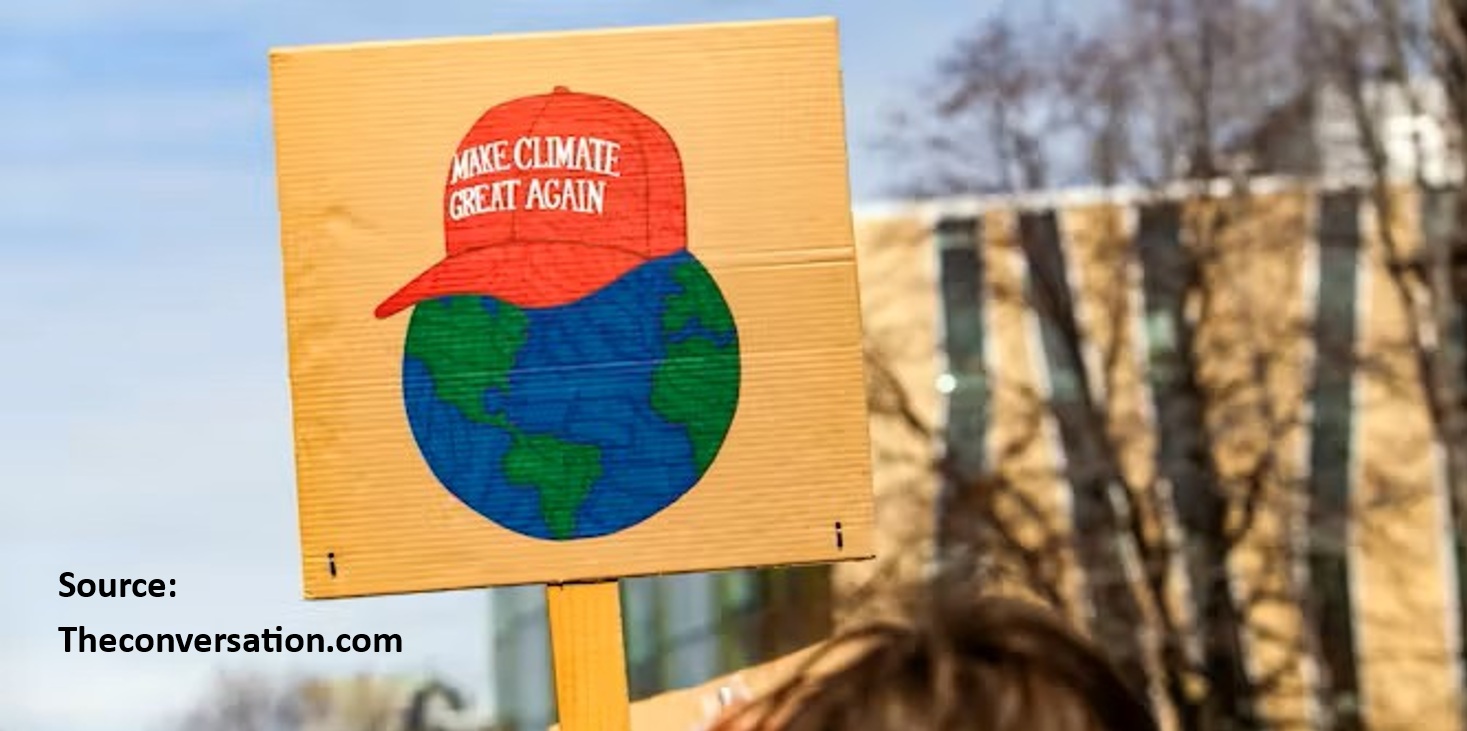
Reflecting the growing trend within the U.S. administration to sideline climate science in public discourse, the National Aeronautics and Space Administration (NASA) released its latest global temperature data in January 2026. Notably, the official statement omitted any reference to “climate change,” “emissions,” or “global warming,” marking a clear departure from previous releases that explicitly linked rising temperatures to human activity and greenhouse gas emissions (Euronews, 2026). Although NASA confirmed the continued increase in global average surface temperatures, recording 2024 as the warmest year on record, approximately 1.47°C above the pre-industrial average (1850–1900), the deliberate removal of climate science language signals the early stages of a broader effort to undermine developed countries’ commitments under international climate agreements and to hinder adaptation planning in the most vulnerable developing countries. This trend is evidenced by the following:
- Throwing the world back to the climate denial era, US climate reports now present warming data with little or no explanation of its causes (Euronews, 2026), mirroring wider government efforts to avoid climate change terminology.
- The weakening of global climate discourse and climate science, as its framing is diluted or marginalised in US public communications, normalising scientific ambiguity. This risks affecting efforts to close the climate finance gap for adaptation and mitigation and opens the door for developed and oil-producing countries to weaken climate accountability, despite the broad scientific consensus, reflected in reports by the Intergovernmental Panel on Climate Change (IPCC) and the UK Met Office, that human activity is the primary driver of climate change (GovFacts, 2025).
- Parallel policy shifts based on weakening the climate science language, including US withdrawal from international climate frameworks and climate finance mechanisms, signal a broader retreat that can diminish collective mitigation and adaptation commitments (The Guardian, 2025).
In light of the political and financial pressures exerted by the United States to downplay and marginalise climate science findings, global climate discourse and accountability mechanisms (e.g., NDCs, adaptation finance) are at risk of erosion, reducing pressure on developed countries to meet their mitigation obligations.
Regionally and in the Arab context, regional and international organisations working on climate change, such as the Centre for Environment and Development for the Arab Region and Europe (CEDARE), are expected to play a critical role in countering this threat by safeguarding the independent dissemination of climate data, reinforcing scientific framing in international reporting (UNFCCC/IPCC), and supporting developing countries’ access to robust climate evidence for adaptation planning—ensuring that political shifts do not silence critical climate science.