
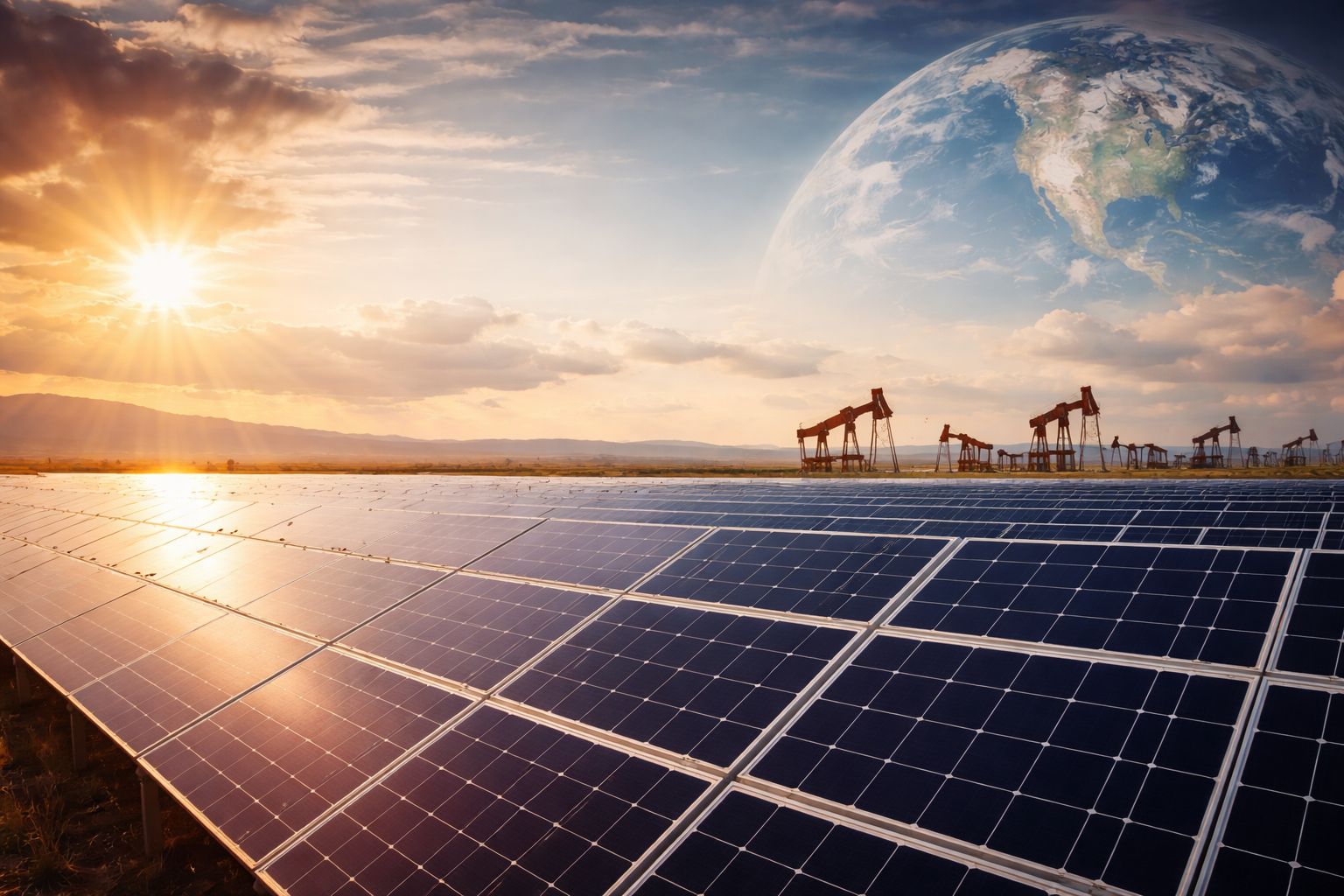
The international arena is witnessing a noticeable escalation in geopolitical tensions and regional conflicts, which has directly affected the stability of global energy markets. Traditional energy sources such as oil and gas are often tied to specific geographic regions, making them vulnerable to political and economic fluctuations. This leads to supply disruptions and rising prices. In this context, solar energy emerges as a strategic option capable of enhancing energy security and achieving sustainability.
Solar energy is one of the most abundant and widely available renewable energy sources, as it can be harnessed in most countries without relying on complex transmission networks or importing resources from abroad. This gives countries greater independence in energy production and reduces the impact of international crises on their economies. With rapid technological advancements in solar cells and the declining costs of production and installation, solar energy has become a competitive economic alternative to traditional energy sources.
In addition to enhancing energy security, solar energy contributes to achieving sustainable development goals and reducing carbon emissions that cause climate change. Today, the world faces a dual challenge: providing energy to support economic growth while preserving the environment. Hence, investing in solar energy projects is crucial, as they provide clean, renewable energy without harming the environment.
In countries with high levels of solar radiation, such as many Arab nations, solar energy represents a strategic opportunity—not only to meet local electricity needs but also to become regional hubs for clean energy production and export. These projects can create new job opportunities and promote innovation in technology and energy sectors.
Future Vision
The transition to solar energy is no longer merely an environmental choice; it has become a strategic necessity in a world characterized by uncertainty and political volatility. This transition requires adopting policies that support investment in renewable energy, developing the necessary infrastructure, and encouraging scientific research and innovation in energy storage technologies and improving solar cell efficiency.
It is also essential to strengthen international and regional partnerships in clean energy, and to exchange expertise and technology to accelerate the global energy transition. In this regard, countries that take the initiative to invest in solar energy today can secure a leading position in the future clean energy economy.
Solar energy represents one of the key pathways to achieving energy security and economic independence in a world of growing geopolitical challenges. Through a long-term strategic vision, these challenges can be transformed into opportunities to build a more sustainable and stable energy system for future generations. ☀️🌍