The Seventh Global Meeting of the Mountain Partnership, held under the theme “Mountains for the Future: Responsible Tourism, Thriving Communities,” convened 150 participants in Andorra la Vella, Andorra, March 26–28, 2026, to address accelerating threats such as climate change, glacier retreat, biodiversity loss, and land degradation. Key outcomes included the adoption of the Andorra Declaration, updated 2026–2030 strategy documents, and the election of a new Steering Committee. Participants strongly reinforced the need to strengthen the science-policy interface, integrate mountain issues into the Rio Conventions and UNFCCC processes, and empower local communities, Indigenous Peoples, women, and youth.
Mountain communities across the developing world suffer from food insecurity, marginalization, gender inequality, and intensifying climate-induced hazards including floods, landslides, and glacier retreat. However, concrete opportunities emerged from the meeting’s discussions. Nature-based solutions, traditional knowledge integration, and community-based tourism were highlighted as practical pathways. Success stories included the Mountain Partnership Secretariat’s Business Incubator and Accelerator Programme which demonstrated how inclusive value chains and market access can build resilient mountain economies. Transboundary cooperation models—such as ICIMOD for the Hindu Kush-Himalaya and the Carpathian Convention for Europe—offered replicable frameworks for ecosystem management across national borders.
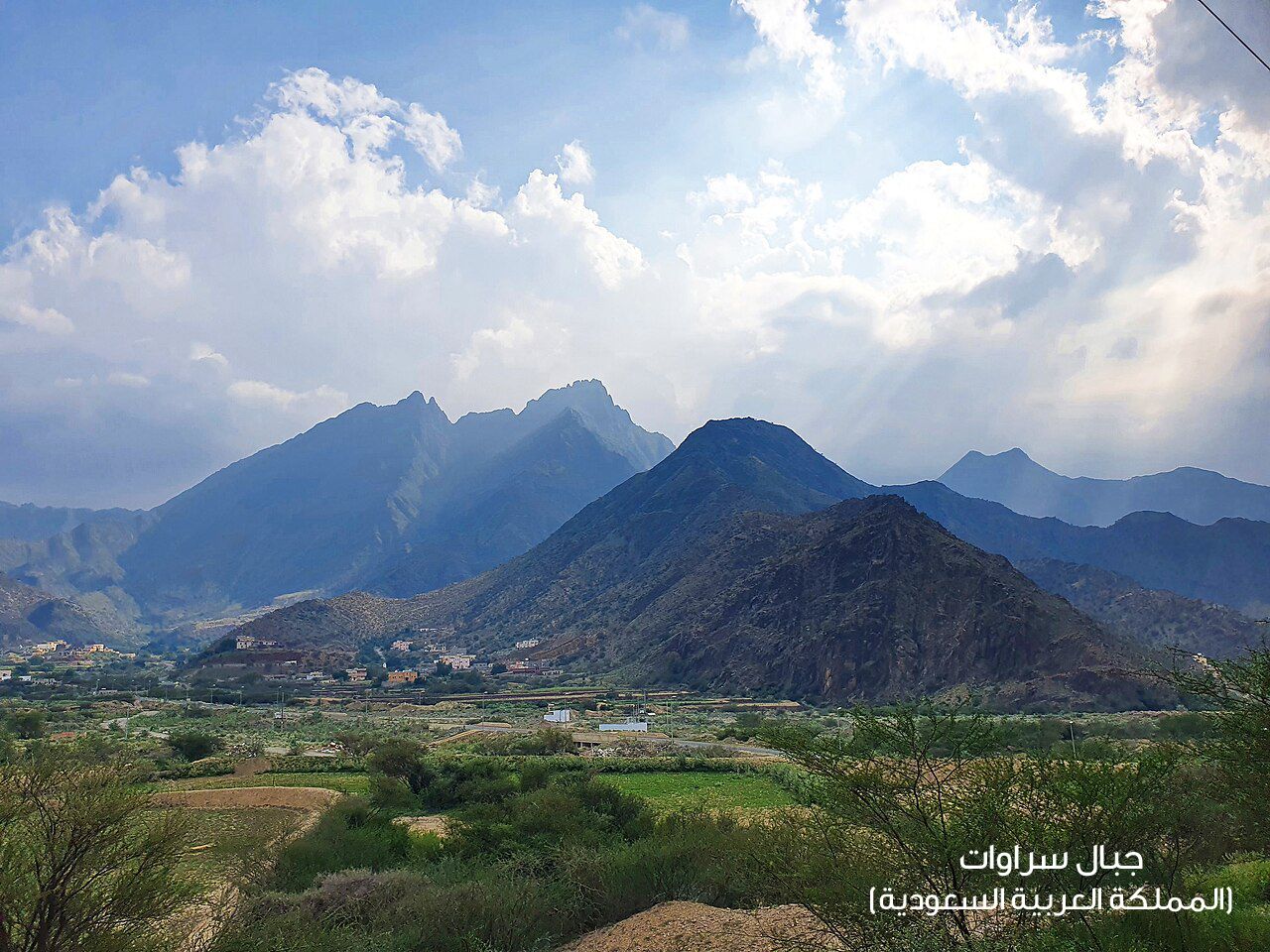
For Arab countries with significant highland ecosystems—including Morocco’s High Atlas, Lebanon’s Mount Lebanon range, Saudi Arabia’s Sarawat Mountains, and Yemen’s western highlands—several strategic priorities emerge from the meeting’s outcomes. First, Arab states can leverage the upcoming UNCCD COP 17 (17-28 August 2026) to integrate mountain ecosystem restoration into desertification and land degradation neutrality targets. Second, the meeting’s emphasis on blended finance and public-private partnerships with clear community benefit provisions offers a model for developing luxury ecotourism that respects cultural heritage. Third, institutionalizing youth participation and investing in early-career researchers would help Arab nations connect mountain data to policy making. With the Mountain Partnership expanding its reach in the Arab region – including Saudi Arabia’s Soudah Development joining as a member in 2021; the Second Global Mountain Summit in Bishkek, scheduled for October 2027, offers an important opportunity for Arab countries to amplify their voices and priorities on the international mountain agenda.