
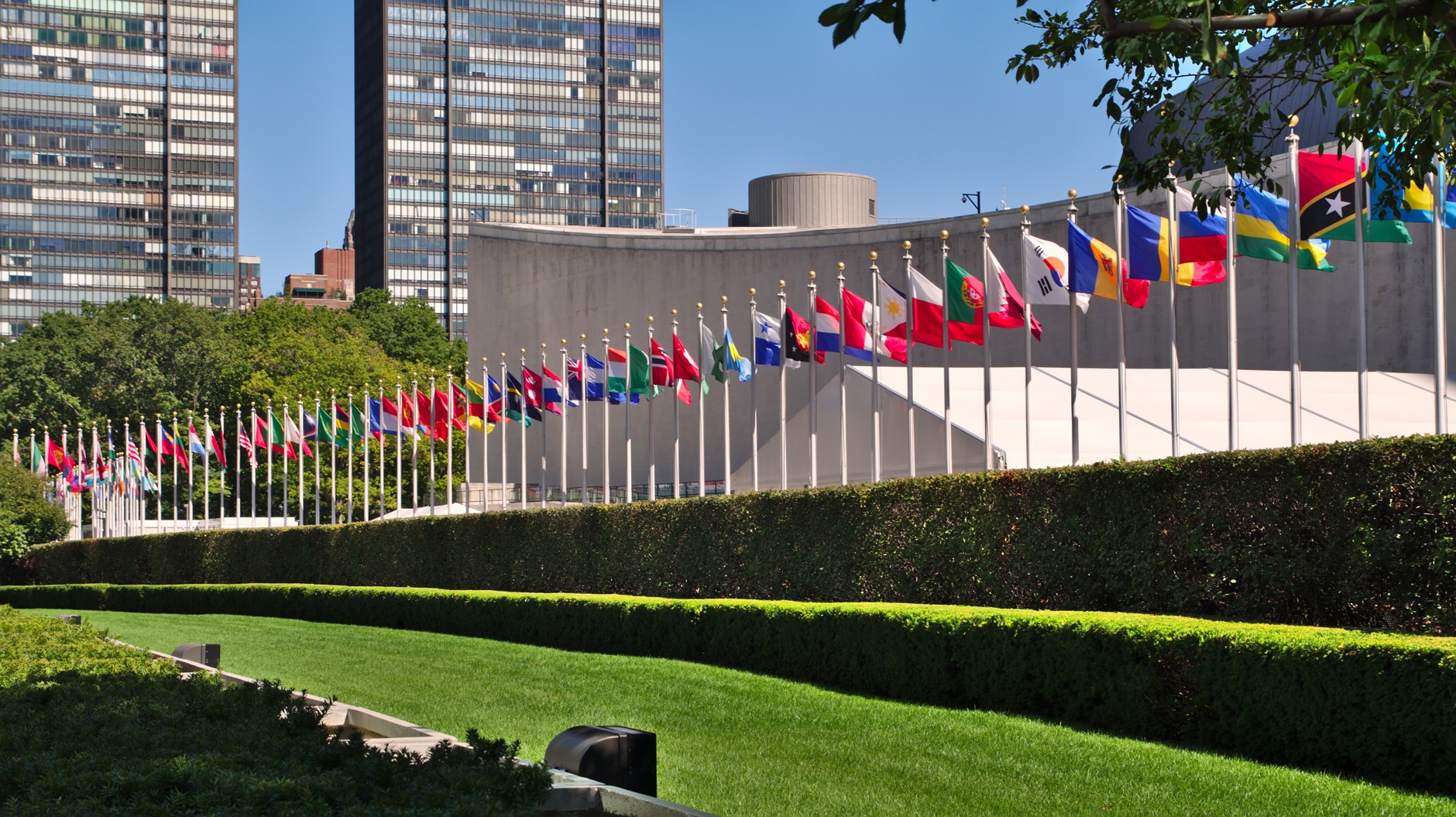
The annual climate conference carries an obvious irony: tens of thousands of people travel to negotiate how the world should reduce emissions. That contradiction is real. It is also useful because it opens a larger question. A COP should account honestly for its own carbon footprint, but its political value ultimately depends on whether it unlocks action many times larger than the emissions generated by the event itself.
COP30 in Belém showed both the durability and the limits of multilateral climate diplomacy. Parties adopted a broad package covering just transition, adaptation, finance, gender and technology, while the Action Agenda assembled hundreds of cooperative initiatives. Yet governments did not agree a formal roadmap on transitioning away from fossil fuels or on halting and reversing deforestation. The outcome moved important parts of the institutional machinery, but it did not resolve the central political bargain over who changes, how fast and with whose finance. [3][4][5]
COP31 is therefore arriving at a credibility moment. The official process is presenting Antalya as an “implementation COP,” and the incoming Presidency has set out initiatives on electrification, waste, buildings, cities, food systems and other practical themes. These initiatives can help focus attention, but they will be judged by whether they connect negotiated goals to national budgets, institutions, investment pipelines and public accountability, not by the number of announcements made in the conference venue. [11][12][13]