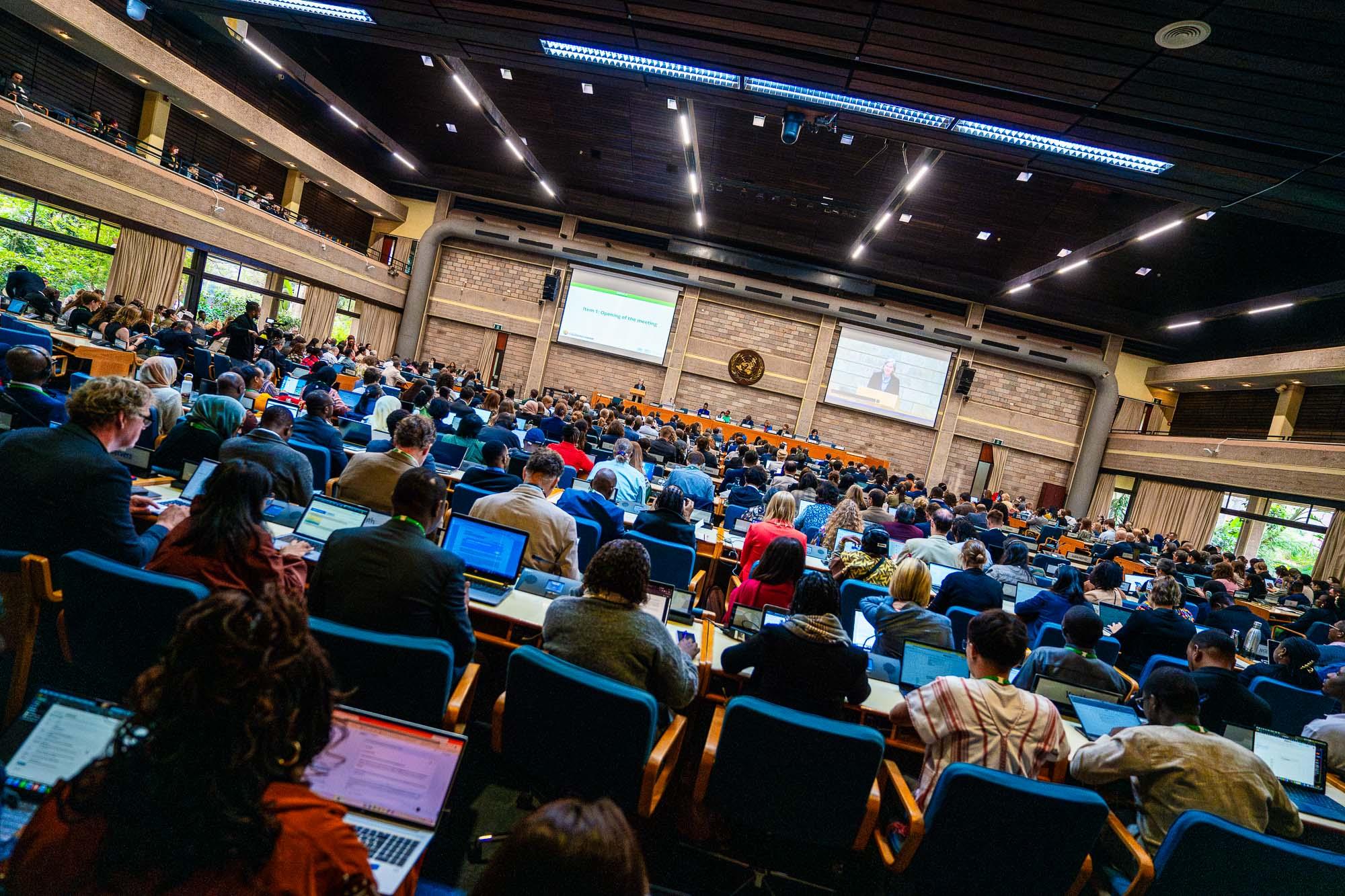
The 28th meeting of the Subsidiary Body on Scientific, Technical and Technological Advice (SBSTTA 28) and the 7th meeting of the Subsidiary Body on Implementation (SBI 7) for the United Nations Convention on Biological Diversity (UNCBD), held in Nairobi from 27 July to 12 August 2026, marked a critical milestone halfway to the 2030 targets of the Kunming-Montreal Global Biodiversity Framework (GBF). These meetings focused on the first-ever Global Review of Collective Progress in GBF implementation, synthesizing data from 129 national reports, 89 National Biodiversity Strategies and Action Plans (NBSAPs), and 162 national targets. The findings delivered a sobering message: while the GBF has generated unprecedented global engagement and action, implementation is not advancing at the pace or scale required to achieve the 2030 targets. The meetings established the “Yerevan Pathway” as an acceleration mechanism, identifying five priority areas for intensified action: completing NBSAPs, strengthening means of implementation, adopting whole-of-government approaches, ensuring whole-of-society participation, and enhancing monitoring and knowledge systems.
The Review revealed persistent and systemic barriers for developing countries, most notably in means of implementation (MoI). Financial resources remain insufficient, unpredictable, and unevenly accessible—the ninth replenishment of the Global Environment Facility (GEF-9) represents a 27 per cent reduction from GEF-8 at precisely the moment when accelerated implementation is required. Major data gaps mean that many developing regions, including Small Island Developing States (SIDS) and parts of Africa and the Caribbean, remain underrepresented in the global review, raising concerns that data deficiencies could skew conclusions and resource allocation. Capacity constraints in scientific infrastructure, technology transfer, regulatory frameworks, and institutional systems continue to hinder effective implementation. The debt burdens facing many developing countries further compound these challenges, incentivizing activities that undermine biodiversity.
However, the Review also explicitly recognized that gaps in data should not be equated with gaps in implementation – a crucial distinction that prevents premature conclusions and unfair comparisons. The proposed Yerevan Pathway prioritizes closing the MoI gap, including through enhanced technology transfer, capacity-building, and financial support. The establishment of an Ad Hoc Technical Expert Group to further operationalize the monitoring framework offers a mechanism to improve data collection, reporting, and indicator methodologies. The technical and scientific cooperation support centers present a platform for South-South and triangular cooperation, enabling countries to share experiences and develop practical solutions tailored to their contexts. For developing countries, the review’s findings provide an evidence base to strengthen their advocacy for adequate, predictable, and accessible financial resources at COP 17, particularly regarding the commitments under GBF Target 19 (mobilizing USD 200 billion annually).
Arab countries face distinctive challenges and opportunities within the GBF implementation landscape, such as the applicability of one-size-fits-all approaches, given the unique ecological conditions of arid and semi-arid regions. Climate change impacts, water scarcity, and desertification compound biodiversity pressures, while many countries in the region face challenges in data collection, monitoring, and access to technology. At the same time, the debate on broadening the contributor base for biodiversity finance presents an opportunity for Gulf countries. Countries like Saudi Arabia, UAE, and Qatar can strategically position themselves by voluntarily contributing to biodiversity finance, including the Cali Fund and GBFF, thereby enhancing their international standing and influence while supporting GBF implementation. In addition, the emphasis on regional and subregional technical and scientific cooperation support centers offers Arab countries a platform to collaborate on shared biodiversity challenges, including transboundary ecosystem management, invasive species control, and climate adaptation strategies. The Arab region can benefit from South-South cooperation and knowledge exchange on managing arid and semi-arid ecosystems. Lastly, the focus on new and emerging technologies – including artificial intelligence, geospatial technologies, and improved monitoring systems – presents opportunities for technologically advanced Arab countries to contribute to and benefit from enhanced biodiversity monitoring and reporting. For example, the development of the Bioland 2.0 Clearing-House Mechanism (CHM) and interoperability improvements can support national biodiversity management systems.
Cover Photo by IISD/ENB | Danny Skilton