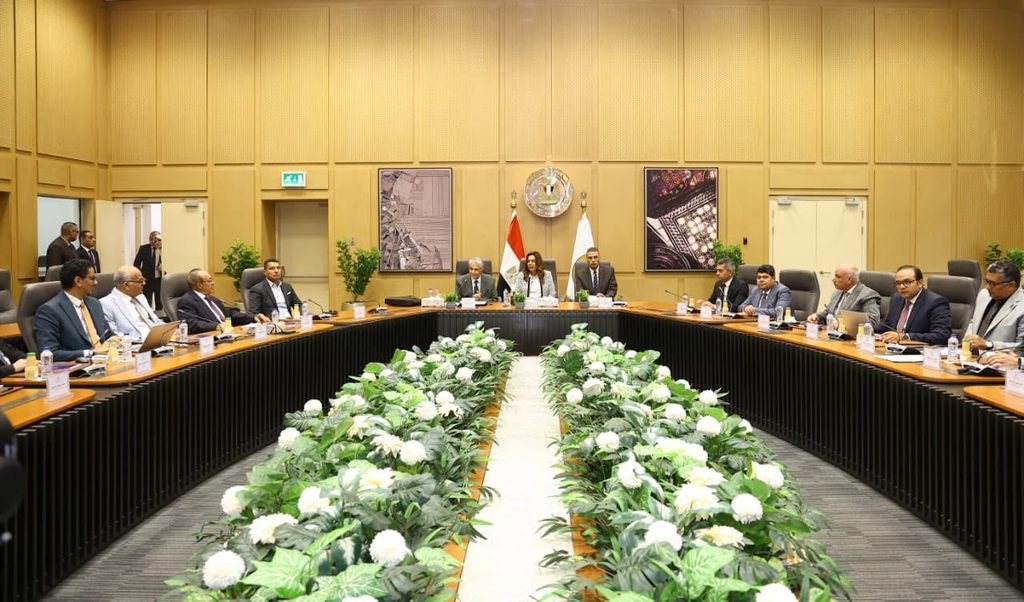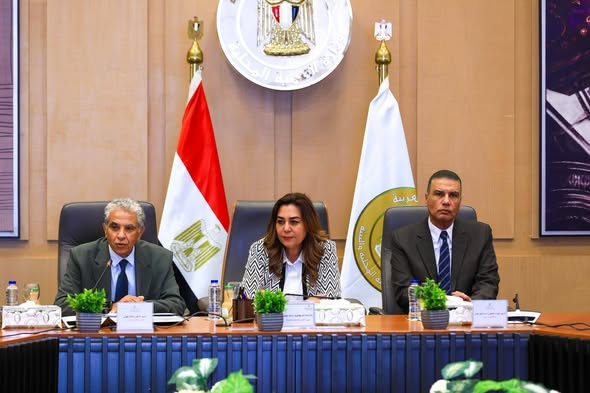
The Minister of Local Development and the Governor of South Sinai reviewed a strategic vision for the sustainable development of the Blue Hole area in Dahab, as part of the Egyptian State’s efforts to achieve sustainable development and maximize the potential of South Sinai Governorate’s natural and tourism assets while preserving natural resources, biodiversity, and the cultural identity of areas of high environmental and tourism value.
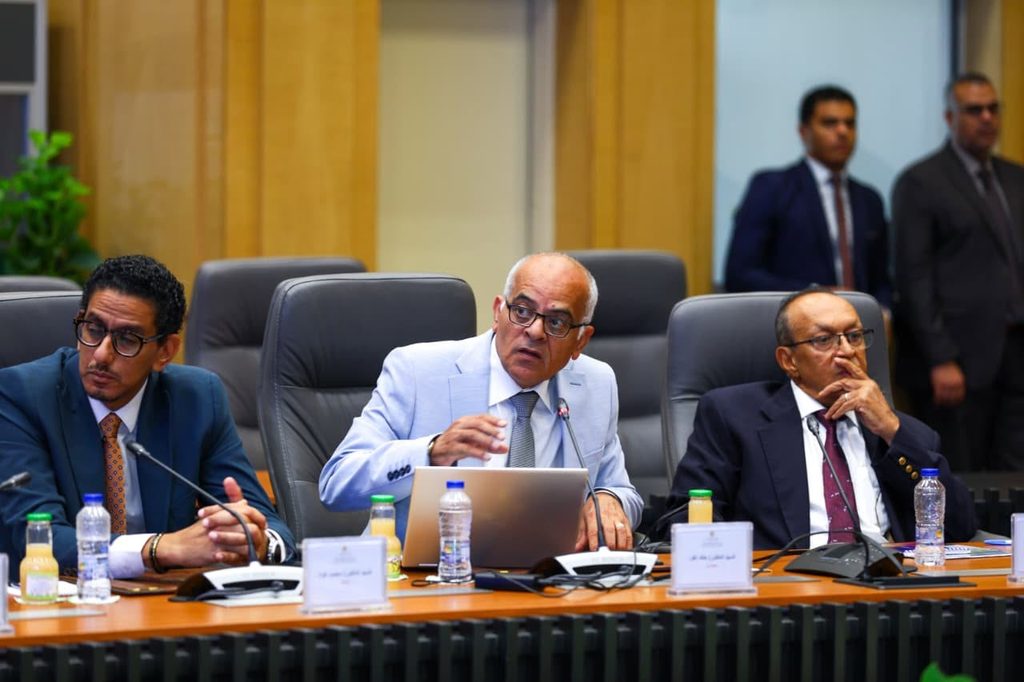
The meeting was chaired by Dr. Manal Awad, Minister of Local Development, and attended by Dr. Ismail Kamal, Governor of South Sinai, and Dr. Khaled Fahmy, Executive Director of the Centre for Environment and Development for the Arab Region and Europe (CEDARE) and former Minister of Environment.
During the meeting, CEDARE presented a proposed integrated vision for developing the Blue Hole area. The vision aims to strike a balance between protecting natural and environmental resources and enhancing the area’s tourism and economic potential. It also seeks to improve the visitor experience and maximize development opportunities for the local community, while remaining consistent with the area’s character, the conservation objectives of the nature reserve, and the principles of sustainable development.
Dr. Khaled Fahmy emphasized that the proposed vision is based on an integrated approach that prioritizes the conservation of natural resources, biodiversity, and ecosystems. At the same time, it seeks to maximize the area’s tourism and economic value and encourage responsible investment, thereby ensuring sustainable benefits for the local community.
CEDARE presented a suite of comprehensive specialized studies prepared as the foundation for the proposed vision. Foremost among these was the Master Plan for Developing the Blue Hole Area, which outlines the planning and functional vision for the site, as well as the distribution of activities and proposed development components, while respecting the site’s unique character and sensitive environmental nature.
The studies also included an Environmental and Social Screening and Scoping Assessment, which addressed the site’s environmental and social sensitivities, existing pressures, and potential risks. It identified the key environmental and social issues and requirements governing the proposed development, ensuring that the development process is grounded in a comprehensive scientific assessment of the area’s characteristics and sensitivity.
The meeting also reviewed the Institutional and Legal Development Study, which addressed proposed regulatory and legislative frameworks for managing activities and investments within natural protected areas. The study aims to strike a balance between nature conservation and maximizing sustainable economic benefits, while strengthening governance and sound management and respecting the reserve’s carrying capacity.
The vision emphasized that preserving the reserve’s objectives, biodiversity, and ecosystems must remain a fundamental priority for any future development. It highlighted the need to align economic activities with the area’s carrying capacity, promote local community participation in economic and social benefits, and ensure that development activities contribute to covering the costs of managing their environmental impacts, as well as supporting conservation and rehabilitation efforts.
The various studies and components of the vision were prepared by CEDARE in collaboration with a number of specialized consulting firms, covering environmental studies, environmental architectural design, and economic feasibility studies. This collaboration contributed to the development of a comprehensive vision integrating planning, environmental, social, economic, investment, institutional, and legal dimensions.