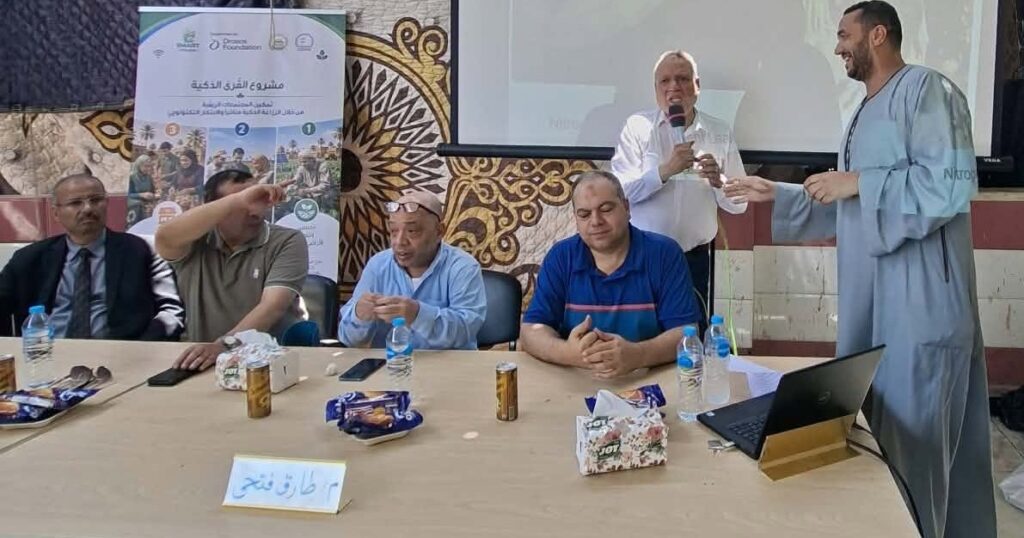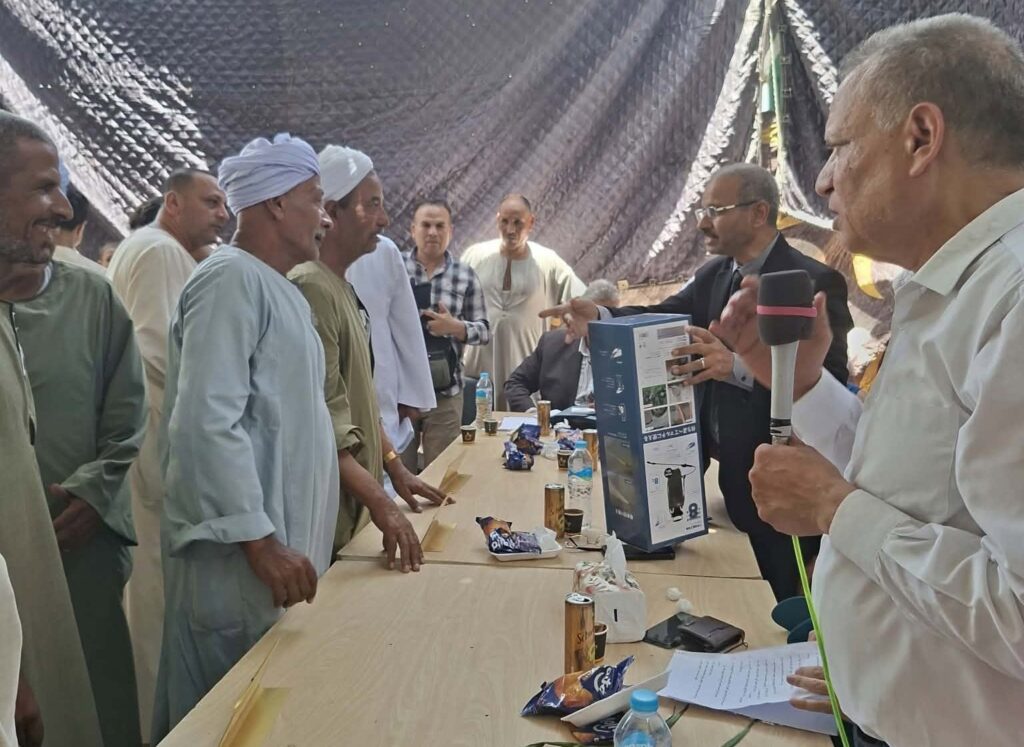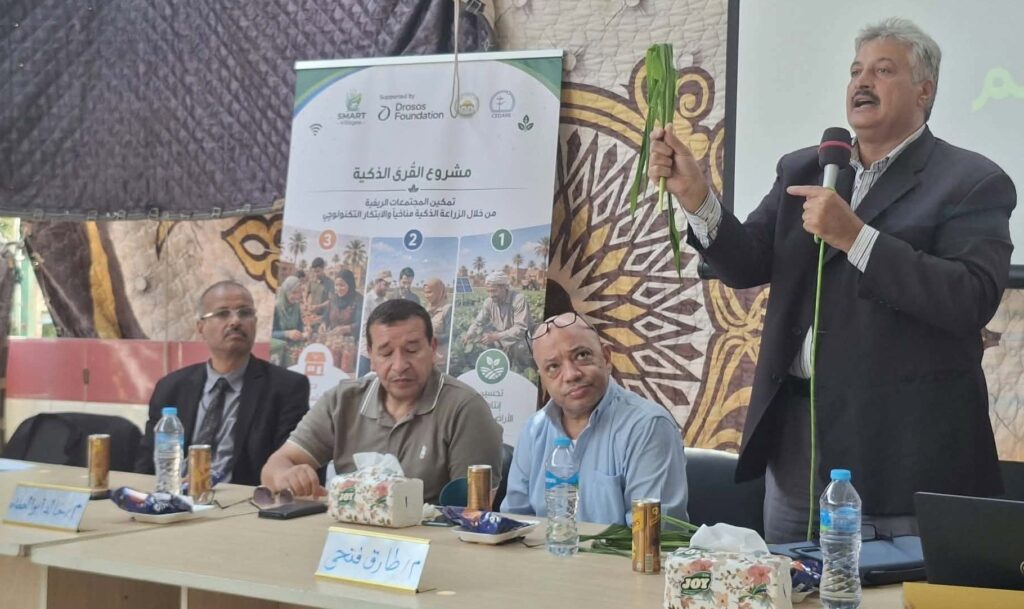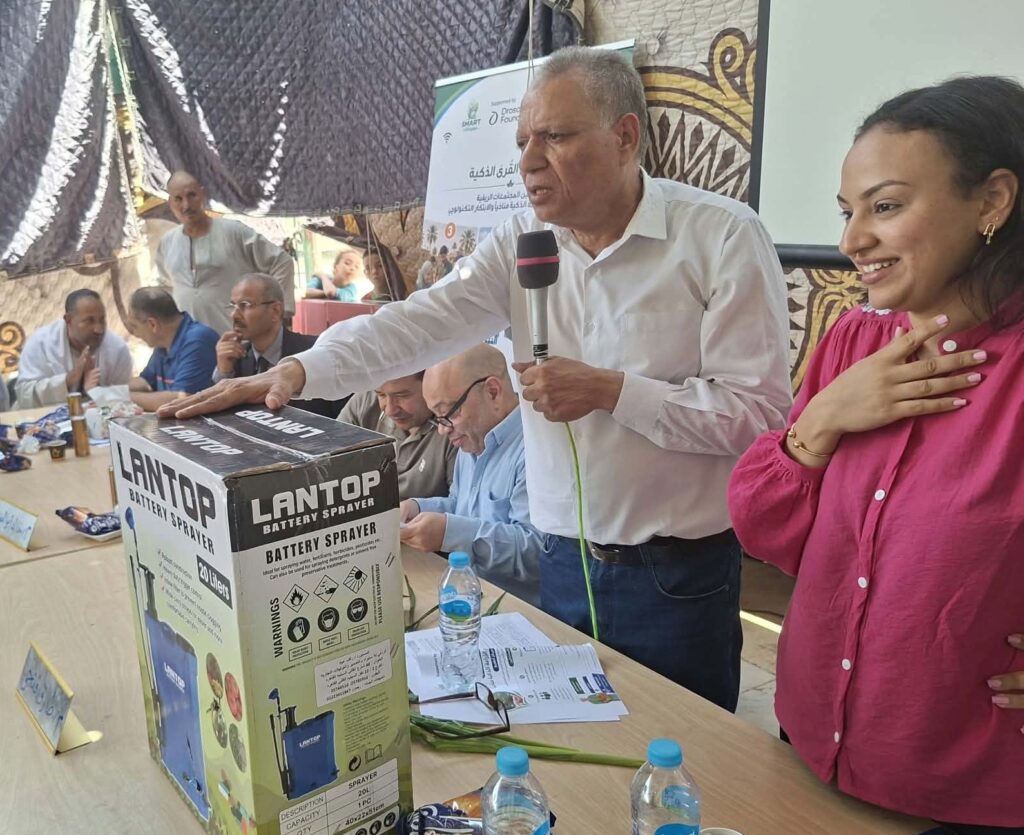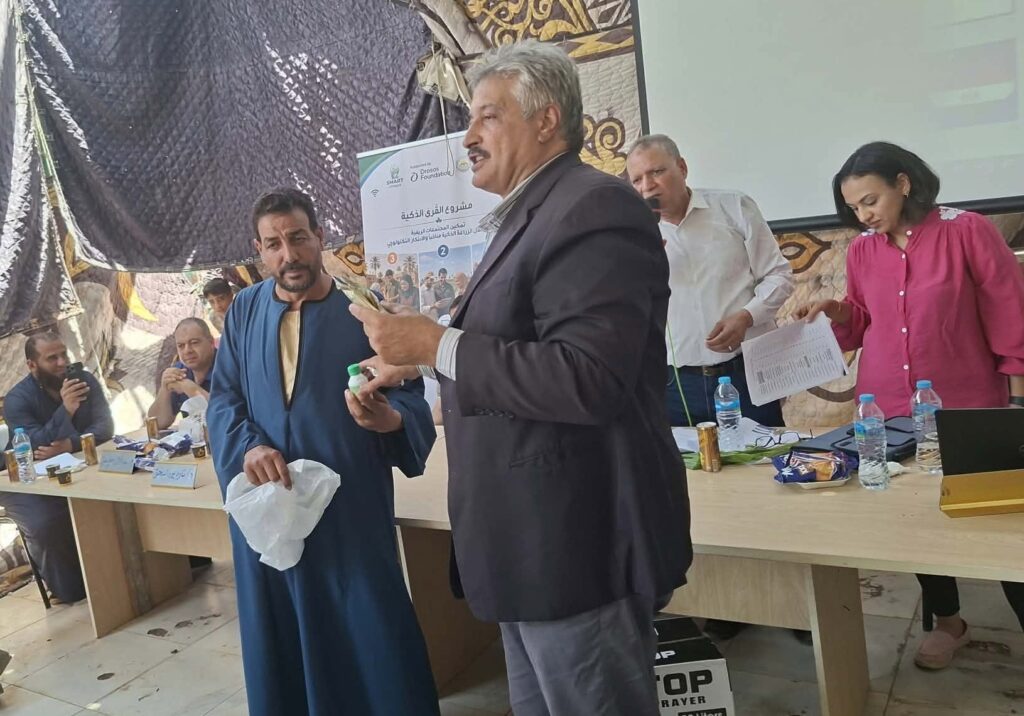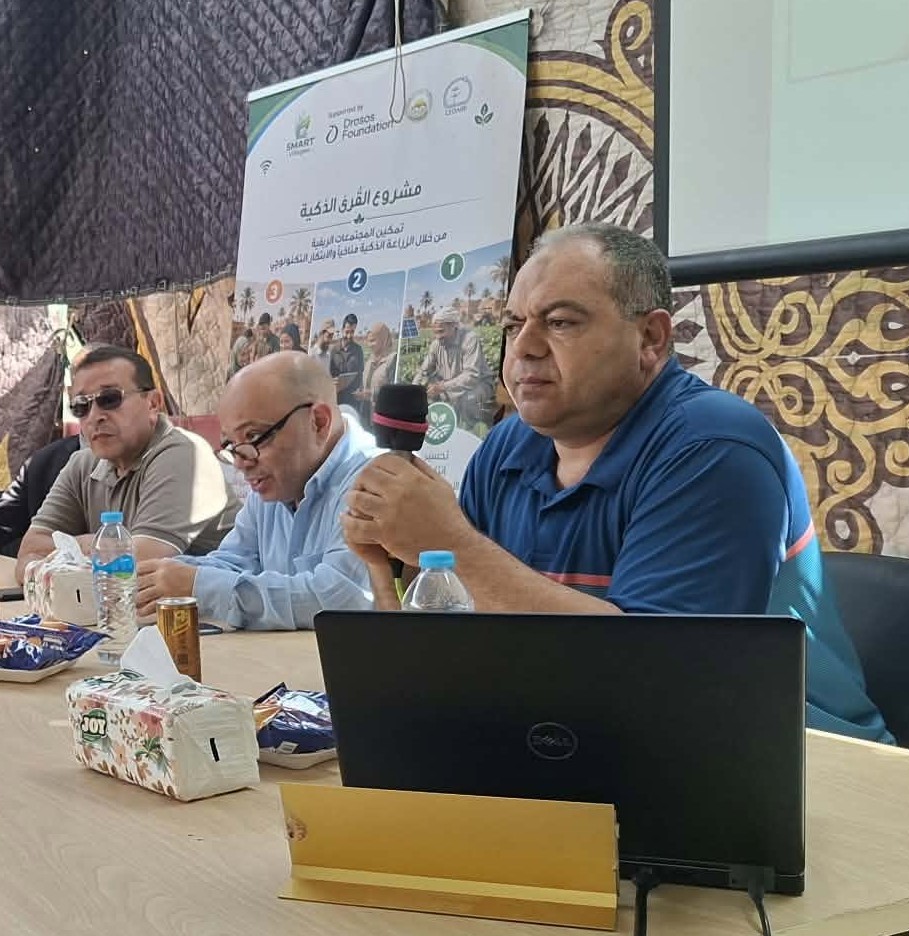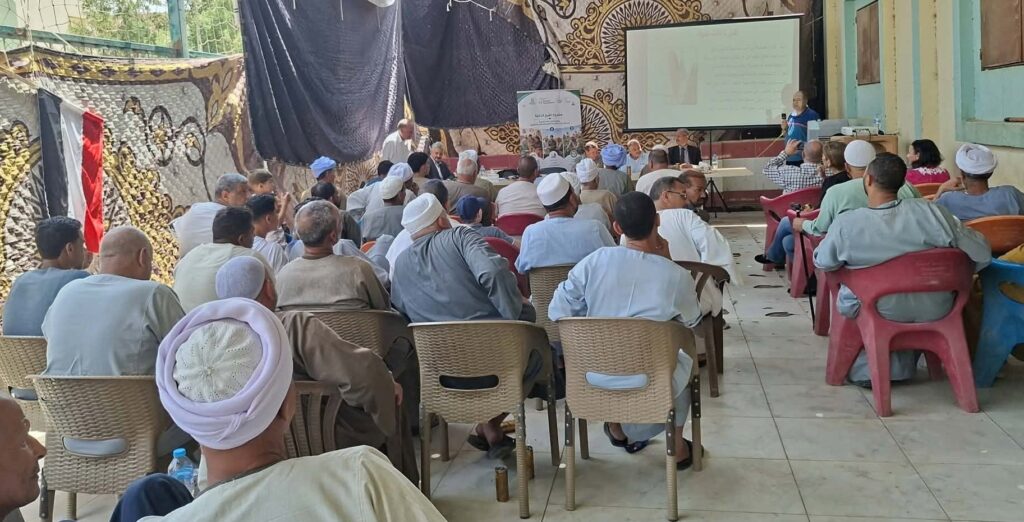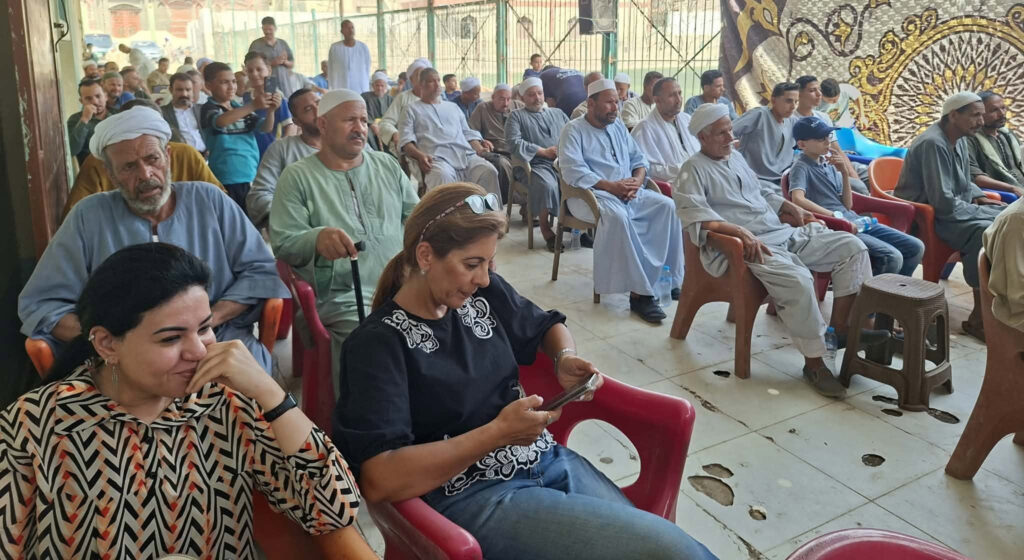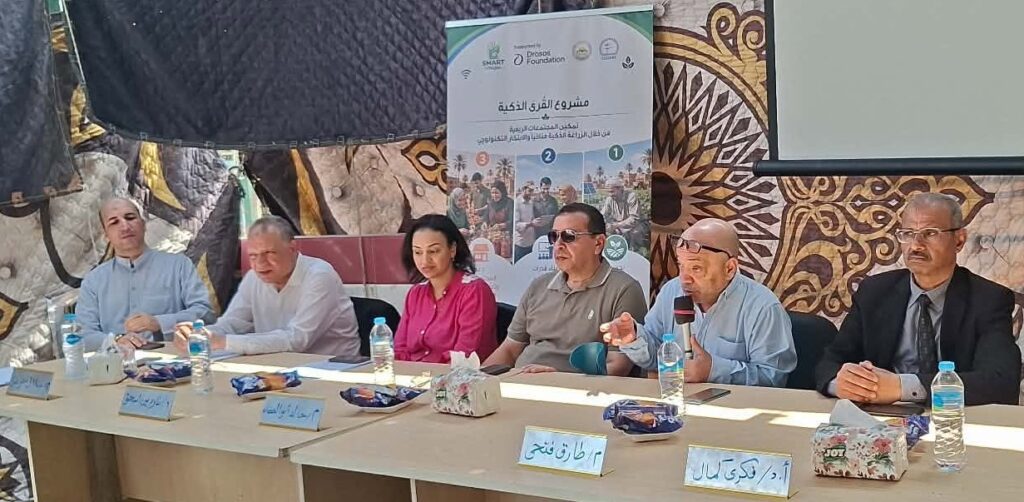
Centre for Environment & Development for the Arab Region & Europe (CEDARE) has continued its awareness and agricultural extension seminar series under the Smart Villages Project with the launch of the first field seminar in Al-Brombel Village, Atfih District, Giza Governorate. The initiative forms part of CEDARE’s ongoing efforts to advance sustainable agricultural development and accelerate the adoption of climate-smart agriculture practices.
The project is implemented with the support of the Drosos Foundation, in partnership with the Ministry of Agriculture and Land Reclamation and the Giza Directorate of Agriculture. It aims to strengthen rural communities through agricultural extension services, farmer field schools, and capacity-building programmes, while promoting the empowerment of women and young people and improving the sustainable management of natural resources.
The seminar programme was developed in response to needs identified during the project’s field assessments in Al-Barmbel Village. These assessments highlighted the key challenges facing maize farmers. As one of Giza Governorate’s principal strategic crops, maize plays a vital role in local agricultural production and provides an important source of income for farming households.
The first session focused on best agronomic practices for sustainable maize production and enhanced productivity. Participants received practical guidance on land preparation, the selection of suitable seed varieties, efficient irrigation and fertilisation, crop management throughout the growing season, and integrated approaches to pest and disease prevention to improve crop performance and productivity.
The second session addressed the integrated management of the Spodoptera frugiperda , one of the most significant threats to maize production. Farmers were introduced to methods for early detection, appropriate control measures at different stages of infestation, the safe and responsible use of recommended pesticides, and the principles of integrated pest management to minimise the spread and impact of the pest.
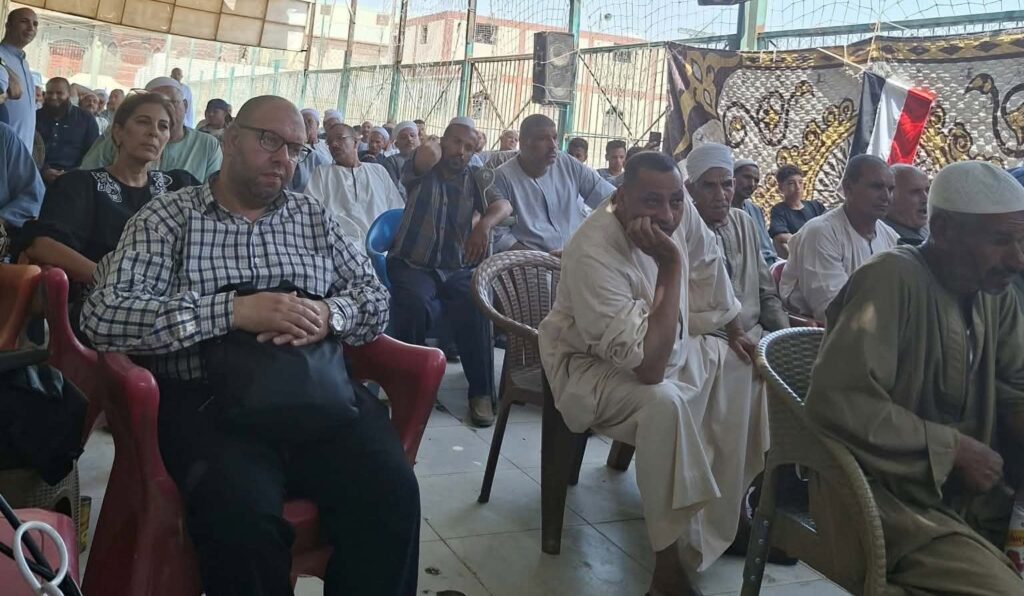
The seminar attracted strong participation and active engagement from local farmers, who shared their experiences and discussed the challenges they face with the technical team. The exchange of knowledge helped ensure that the extension messages responded directly to farmers’ priorities and practical needs.
The seminar concluded with an overview of the project’s upcoming activities, including continued farmer field schools, extension visits, and technical follow-up for participating farmers. These activities are expected to accelerate the adoption of climate-smart agriculture practices, improve crop and water management, enhance productivity and crop quality, strengthen rural livelihoods, contribute to sustainable agricultural development, and reinforce food security across the region.