
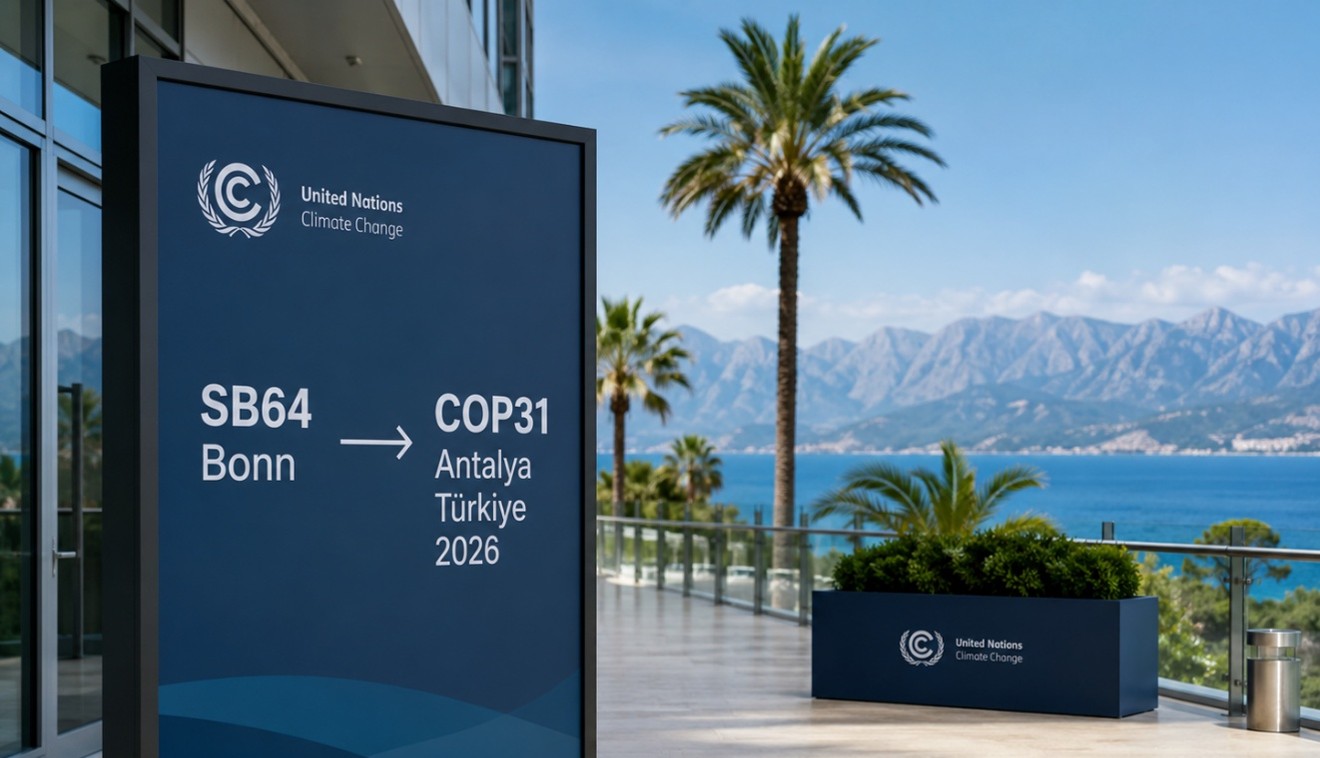
The SB64 climate talks in Bonn were meant to prepare the ground for COP31 in Antalya, Türkiye, by advancing implementation on adaptation, mitigation, finance, just transition, and climate science (UNFCCC, 2026). Instead, the talks exposed deep political divisions and left several major issues unresolved. While SB64 confirmed that COP31 will be framed as an “implementation COP,” it also showed that implementation remains blocked by disputes over finance, equity, fossil fuel transition, and institutional trust (Carbon Brief, 2026). COP31 will not only be a negotiation on climate ambition, but a test of whether developing nations can secure practical support for adaptation, resilience, and just transition. This is evidenced by:
1. COP31 will inherit unresolved finance and adaptation tensions
SB64 showed that adaptation is now inseparable from finance. Developing countries pushed for predictable, accessible, and grant-based support for adaptation, while developed countries resisted reopening finance debates under adaptation agenda items (Climate Home News, 2026). This means COP31 will face heavy pressure to deliver clarity on adaptation finance, the Global Goal on Adaptation, and the Baku Adaptation Roadmap. Without progress, vulnerable countries will see the implementation agenda as politically weak and financially empty.
2. Mitigation will remain politically sensitive
SB64 also revealed strong disagreements over the future of the Mitigation Work Programme, its connection to the Global Stocktake, and whether it should address fossil fuels and sectoral transitions (Inside Climate News, 2026). This is likely to make COP31 a difficult space for negotiating stronger emissions-cutting outcomes. For countries with fossil fuel dependence or energy-intensive development pathways, including several Arab countries, COP31 may increase pressure to define credible transition pathways without undermining energy security or development priorities.
3. Just transition may become COP31’s most strategic entry point
One of the few areas of relative progress in Bonn was the just transition agenda, especially work on operationalizing the Belém-Antalya mechanism (Euronews, 2026). This creates an important opportunity for COP31 to link climate action with jobs, economic diversification, social protection, technology transfer, and capacity-building. However, unless just transition is backed by finance and institutions, it risks remaining a political slogan rather than an implementation tool.
Strategic implications for the Arab region
SB64 suggests that COP31 will be highly consequential for Arab countries. COP31 can be a strategic opportunity to strengthen Arab regional positioning on adaptation finance, climate data, just transition, and implementation readiness. Priority actions should include developing regionally relevant policy messages, supporting bankable adaptation and resilience pipelines, promoting Arab cooperation on climate science and early warning systems, and helping countries translate NDCs and adaptation plans into investable programmes. In a gridlocked global process, regional institutions such as CEDARE can help turn negotiation uncertainty into practical preparedness.
References
- Carbon Brief (2026). Bonn climate talks and disputes over climate science, adaptation, and implementation.
- Climate Home News (2026). Bonn climate talks end in “gridlock” on adaptation and emissions-cutting.
- Euronews (2026). Electrification, climate finance and just transition: Key outcomes of the Bonn Climate Change Conference.
- Inside Climate News (2026). United Nations climate talks in Bonn marked by “sidestepping and stalling.”
- UNFCCC (2026). COP31 Presidency announces new targets on global electrification, cutting waste, and resilient cities.