
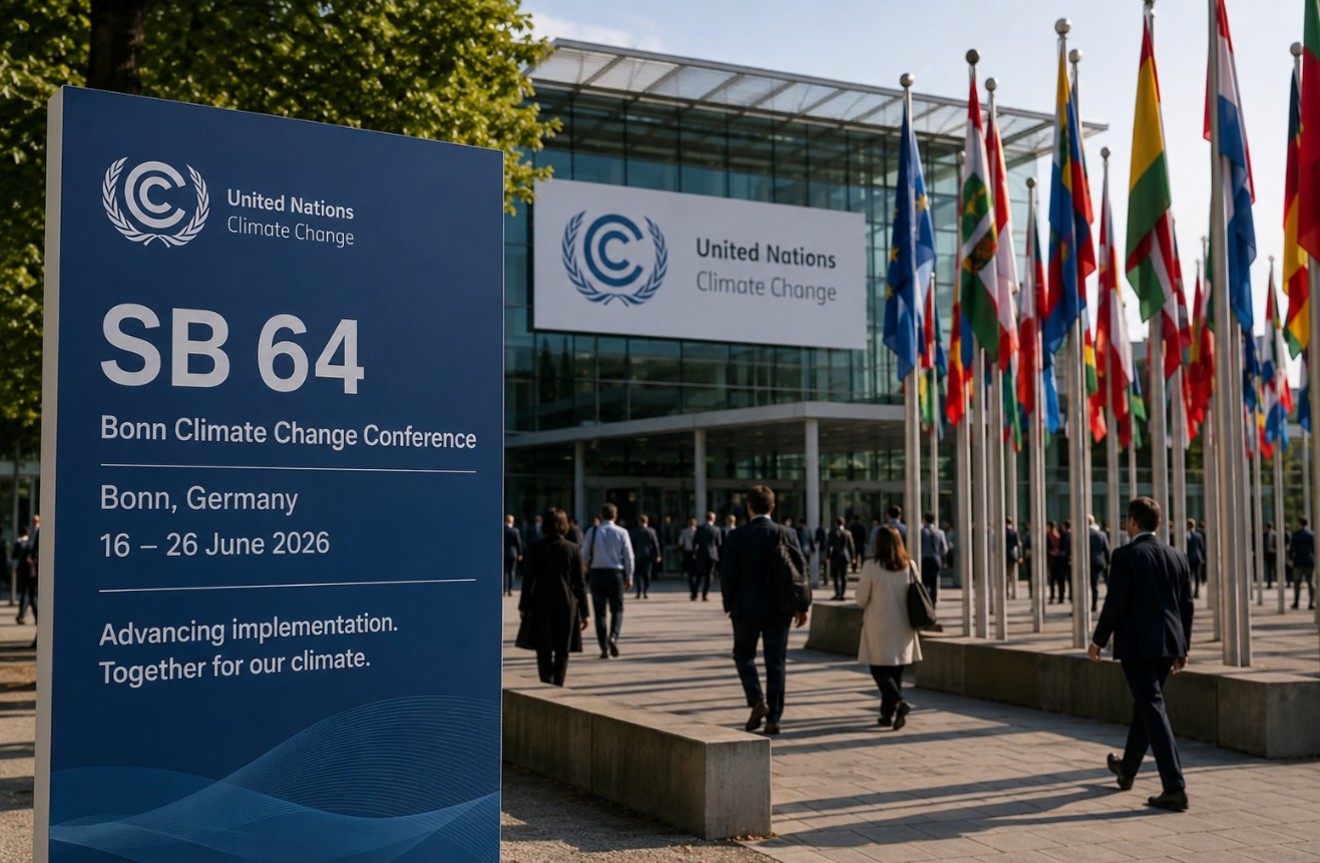
The June 2026 UN climate talks in Bonn were expected to prepare the ground for COP31 in Türkiye by advancing implementation on adaptation, mitigation, finance, just transition, and climate science. Instead, they closed in “gridlock,” exposing the widening gap between climate urgency and political delivery (Inside Climate News, 2026). The talks showed that Parties still agree on the need for implementation, but remain deeply divided over who should act first, who should pay, how finance should be delivered, and how far the UNFCCC process should go in guiding national climate action. This is evidenced by:
1. Adaptation exposed the finance divide
Trapped between rising needs and limited support, adaptation became the clearest symbol of unresolved climate injustice (Carbon Brief, 2026). Developing countries pushed for predictable, accessible, and grant-based finance to support the Global Goal on Adaptation (GGA), the Baku Adaptation Roadmap, and wider resilience-building efforts. Developed countries, however, resisted reopening finance debates under adaptation agenda items, preferring to keep such discussions within established finance tracks.
2. Mitigation and science became politically contested
Parties disagreed over the future of the Mitigation Work Programme, its links to the Global Stocktake, and whether it should address specific sectors such as fossil fuels (Climate Home News, 2026). Some groups called for stronger 1.5°C-aligned action, while others opposed prescriptive outcomes. Even climate science, a shared basis for action, became another political battleground, with disputes over references to the 1.5°C goal and the role of the IPCC.
3. Just transition offered limited progress
The Just Transition Work Programme provided one of the few positive signals, with some progress on operationalizing the Belém-Antalya mechanism. However, divisions remained over whether just transition should be supported through new finance and institutions or existing mechanisms (Euronews, 2026). Without real resources, the agenda risks remaining politically important but practically weak.
The UNFCCC climate process remains active, but it is fragmented, and constrained by mistrust over finance, equity, fossil fuel transition, and implementation. For Arab countries, the implications are serious. The region faces rising heat stress, water scarcity, food insecurity, coastal risks, and fiscal pressures, while many economies remain linked to fossil fuels and energy-intensive sectors. Arab countries therefore need to strengthen regional climate finance, build bankable adaptation pipelines, invest in climate science and data, and engage proactively in shaping just transition and implementation debates before COP31.
References
Carbon Brief. (2026). Bonn climate talks and disputes over climate science, adaptation, and implementation.
Climate Home News. (2026). Bonn climate talks end in “gridlock” on adaptation and emissions-cutting.
Euronews. (2026). Electrification, climate finance and just transition: Key outcomes of the Bonn Climate Change Conference.
Inside Climate News. (2026). United Nations climate talks in Bonn marked by “sidestepping and stalling.”